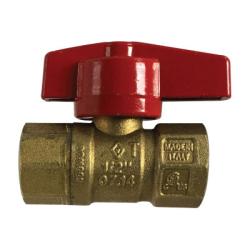
Gas Ball Valves — CSA-Certified Natural Gas & Propane Shutoff
CSA-certified gas ball valves for natural gas and propane isolation. PVFPro stocks threaded gas valves from Legend and Red-White in appliance through branch sizes, shipped fast from multiple U.S. warehouses.
What Is a Gas Ball Valve?
A gas ball valve is a quarter-turn shutoff built and certified for fuel gas service — natural gas and propane. The certification is what separates a gas valve from a general-purpose ball valve: gas valves are tested and listed to the applicable gas-equipment standards, with bodies, seats, and stem seals qualified for gas. PVFPro stocks CSA-certified gas ball valves from Legend Valve and Red-White Valve, in threaded ends sized for appliance and branch-line isolation.
Applications
- Gas meter and building entry isolation on commercial gas service
- Branch and zone shutoff on gas distribution piping
- Appliance isolation — boilers, water heaters, furnaces, rooftop units, and kitchen equipment
- Test ports for pressure testing gas piping (by series)
- Emergency shutoff points required by code and maintenance procedures
How to Choose the Right Gas Ball Valve
-
Certified for gas only. Do not substitute a general ball valve on gas service. Confirm the gas certification shown on the product page before specifying or installing.
-
Match the pipe and thread. Threaded FNPT ends match standard gas pipe; verify size against the line schedule.
-
Handle style for the location. Standard lever handles for general isolation; some installations and inspectors favor locking or tee handles by code and preference — check your local requirements.
-
Indoor/outdoor exposure. Confirm the body finish and stem seal suitability for the installed environment per the product page.
-
System pressure. Gas distribution is low pressure, but verify the valve’s rating against test pressures used when pressure-testing new piping.
Technical Specifications Overview
-
Certification: CSA-certified series listed to ANSI Z21.15 / CSA 9.1 for gas shutoff service — confirm the certification block on each product page.
-
Operation: Quarter-turn lever handle.
-
Connections stocked: Threaded FNPT ends.
-
Body materials: Brass bodies with gas-rated seats and seals, by series.
-
Sizes: Appliance and branch sizes stocked across the range — see product pages for availability.
-
Brands stocked: Legend Valve and Red-White Valve Corp.
Gas Piping Practice for Contractors
Gas work rewards the unglamorous habits. Pressure-test new piping to the pressure and duration your code requires before any gas is introduced, using the valve ratings documented on the product page as your ceiling. Leak-test every joint with approved solution or instrumentation — never with a flame. Support gas piping properly so no load hangs on the valve body, and keep shutoff access clear: code and common sense both require that a person can reach the valve in an emergency without moving storage or equipment. When isolation points are added to an existing system, take the opportunity to add a valve at each appliance — future service calls then isolate one unit instead of a whole building. Label the shutoff points a building owner will eventually need to find in the dark.
Frequently Asked Questions
-
Can I use a regular ball valve on gas? No. Fuel gas service requires a valve certified for gas. A water-service ball valve is not code-compliant on gas piping.
-
What does CSA certification mean here? The valve has been tested and listed by CSA to the gas shutoff valve standard (ANSI Z21.15 / CSA 9.1) — the listing inspectors look for on gas piping.
-
Do gas valves need to be lockable? Some jurisdictions and specs require locking handles on certain equipment; standard levers suit most appliance and branch isolation. Check your local code.
-
How do I pressure-test with these installed? Gas valves are typically rated above system test pressures, but follow the manufacturer’s rating on the product page and your local code when locking in test pressure.
Why Buy Gas Ball Valves from PVFPro
- In stock — fast shipping from multiple U.S. warehouses
- CSA-certified series with the certification documented on every product page
- Appliance through branch sizes in one place
- Contractor pricing with bulk discounts available
Supply House Counter Notes
Match the valve to the test, not just the service. New gas piping gets pressure-tested well above operating pressure, and the valve you install has to hold that test with the rest of the system — read the rating block on the product page and the test requirement in your code before choosing. On appliance change-outs, take the extra ten minutes to install a dedicated shutoff at the new unit; the next tech to service that appliance works behind a valve instead of dragging the whole branch down. Keep dirt legs and sediment traps where the code requires them downstream of the shutoff. And on any commercial kitchen or boiler-room job, walk the shutoff locations with the owner at handoff — gas shutoffs that nobody can find in an emergency are a liability, not an installation.
Related Collections


 Legend Valve 102-612